
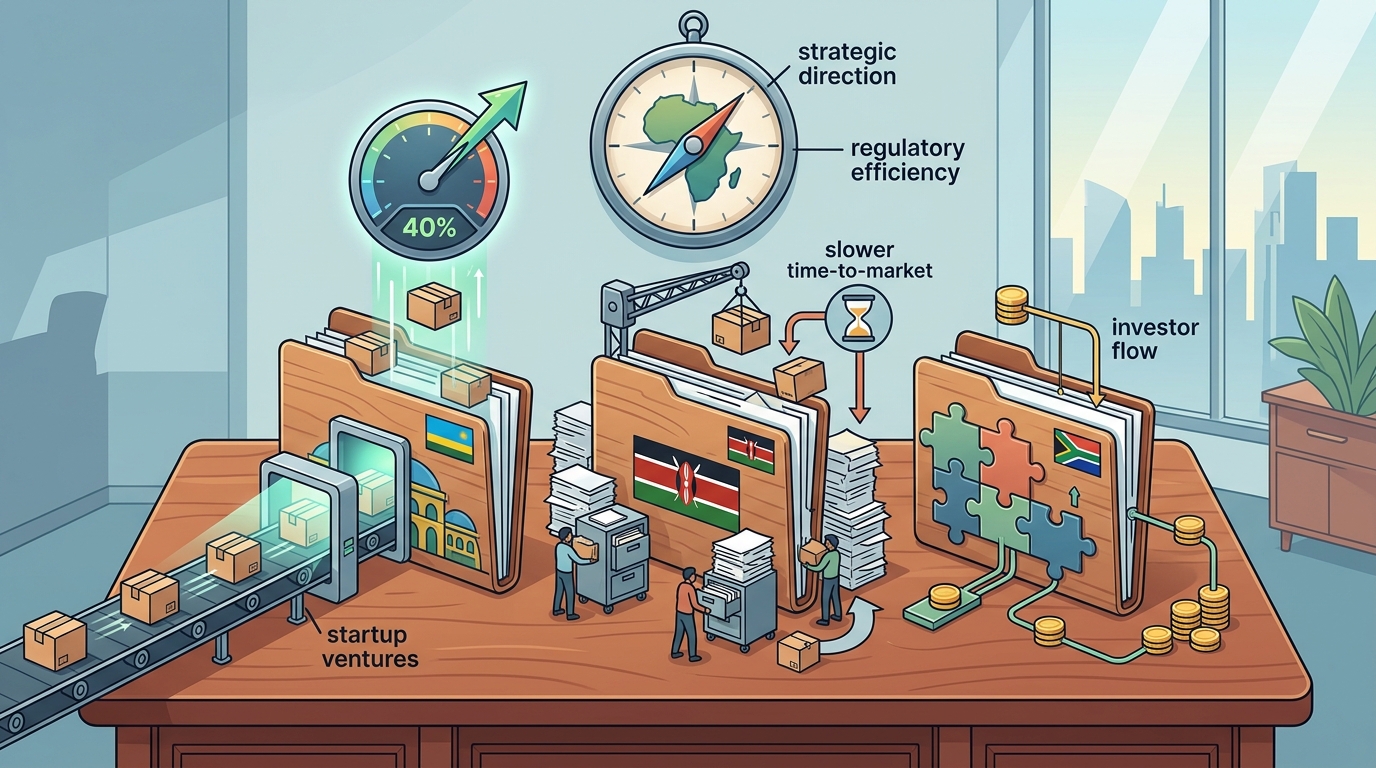
Choosing the right legal home is the single most critical decision for any African entrepreneur. According to recent economic data, startups registered in jurisdictions with streamlined digital incorporation processes experience a 40% faster time-to-market compared to traditional registration methods. This statistic highlights why location is no longer just about geography, but about regulatory efficiency and investor access. The continent is undergoing a massive shift in how businesses are formed, with countries like Rwanda, Kenya, and South Africa leading the charge in digital transformation. This guide breaks down the top startup jurisdictions to help you make an informed decision.
Why Jurisdiction Matters for Growth
The legal framework of your home country dictates your ability to raise capital, hire talent, and expand regionally. Startup jurisdiction is the legal address where your company is incorporated and governed. This choice impacts your tax liability, intellectual property protection, and ease of doing business. For founders targeting international investors, the jurisdiction must offer a familiar legal structure, such as the Common Law system, which is prevalent in East and Southern Africa.
Investors often prefer startups registered in jurisdictions with strong corporate governance standards. A report by the World Bank indicates that countries with streamlined business registration processes see a significant increase in foreign direct investment. By choosing a jurisdiction that aligns with your growth strategy, you reduce administrative friction and focus on product development. Invata Africa simplifies this complex landscape by providing expert guidance on business formation services across multiple African markets.
Kenya: The Silicon Savannah
Kenya has earned the nickname "Silicon Savannah" due to its vibrant tech ecosystem and early adoption of digital financial services. The country offers a robust regulatory environment for fintech and software startups. The Kenya Investment Authority (KenInvest) provides a one-stop shop for foreign investors, facilitating easier entry into the market.
One of Kenya's biggest advantages is its access to venture capital. Nairobi is home to numerous angel investor groups and venture capital firms that actively seek early-stage companies. The government has also introduced the Kenya Startup Act, which offers tax incentives and grants to registered startups. This legislative support makes Kenya an attractive hub for tech founders looking to scale within East Africa.
However, competition for talent is fierce, and operational costs in Nairobi are rising. Founders must weigh the benefits of a mature ecosystem against the increasing cost of living and doing business. For those navigating these complexities, professional support is essential to ensure compliance and optimal structuring.
Rwanda: The Efficiency Leader
Rwanda is widely recognized for its bureaucratic efficiency and ease of doing business. The country consistently ranks among the top in Africa for business registration speed. The Rwandan Development Board (RDB) has digitized almost all business processes, allowing founders to incorporate a company in a matter of days, often within 24 hours.
The government's vision is to position Rwanda as the gateway to the African continent. This strategic focus has led to significant investments in infrastructure and digital connectivity. For startups targeting the broader African market, Rwanda offers a stable and predictable regulatory environment. The country's commitment to digital transformation is evident in its digital business registration platforms, which reduce the need for physical presence.
Rwanda also offers competitive tax rates and incentives for technology and innovation-driven businesses. The government actively encourages foreign direct investment through various incentives, including tax holidays for qualifying enterprises. This makes it an ideal jurisdiction for startups seeking a low-friction entry point into Africa.
South Africa: The Mature Market
South Africa boasts the most developed financial and legal infrastructure on the continent. Its Common Law system is familiar to international investors, making it a preferred jurisdiction for raising Series A and beyond funding. The Johannesburg Stock Exchange (JSE) provides a robust platform for public listings, although this is less relevant for early-stage startups.
The country has a well-established venture capital ecosystem, with numerous funds dedicated to tech and innovation. However, the regulatory environment can be complex, and compliance costs are higher than in emerging hubs. The Companies Act of 2008 provides a clear framework for corporate governance, but navigating it requires expert legal advice.
South Africa's large consumer market and sophisticated banking sector are significant advantages. However, founders must be prepared for higher operational costs and a more competitive talent market. For those prioritizing investor confidence and legal clarity, South Africa remains a top choice.
Nigeria: The Scale Giant
Nigeria is Africa's largest economy and most populous country, offering unparalleled market scale. The startup ecosystem in Lagos is vibrant and rapidly growing, with a strong focus on fintech, e-commerce, and logistics. The government has introduced the Nigeria Startup Act, which provides tax breaks and grants to support innovation.
The sheer size of the Nigerian market means that a successful startup can achieve significant revenue growth quickly. However, regulatory uncertainty and infrastructure challenges remain significant hurdles. The legal framework is evolving, and founders must stay agile to navigate changing policies. Despite these challenges, the potential for scale makes Nigeria an attractive destination for ambitious entrepreneurs.
Investor interest in Nigerian startups has surged in recent years, with billions of dollars flowing into the ecosystem. This capital influx has helped mature the ecosystem and improve access to funding for early-stage companies. For founders targeting mass market adoption, Nigeria offers the highest potential upside.
Jurisdiction Comparison Table
The following table summarizes the key characteristics of the top startup jurisdictions in Africa. This comparison helps founders evaluate which market aligns best with their strategic goals.
| Jurisdiction | Key Advantage | Best For | Regulatory Ease | Investor Access |
|---|---|---|---|---|
| Kenya | Digital Innovation Hub | Fintech & Tech Startups | High | Strong Regional VC |
| Rwanda | Speed & Efficiency | Market Entry & Operations | Very High | Growing VC |
| South Africa | Legal & Financial Maturity | Scale & International Funding | Moderate | Deep VC & PE |
| Nigeria | Market Scale | Mass Market Adoption | Moderate | High Growth VC |
Key Takeaways
- Strategic Alignment: Choose a jurisdiction that matches your target market and investor base, not just your personal preference.
- Regulatory Speed: Rwanda leads in registration speed, often completing processes in under 24 hours.
- Investor Confidence: South Africa's Common Law framework is preferred by international institutional investors.
- Ecosystem Support: Kenya and Nigeria have introduced specific Startup Acts to provide tax incentives and grants.
- Digital Infrastructure: East African hubs offer superior digital business registration compared to many other regions.
- Market Scale: Nigeria offers the largest consumer base, providing the highest potential for rapid revenue growth.
- Professional Guidance: Navigating multiple jurisdictions requires expert legal and administrative support to ensure compliance.
Frequently Asked Questions
What is the easiest African country to register a startup in?
Rwanda is widely considered the easiest country due to its highly digitized and streamlined business registration process through the Rwandan Development Board.
Which jurisdiction is best for raising venture capital?
South Africa and Kenya are the top choices for venture capital, with South Africa offering deeper institutional funding and Kenya providing strong regional investor networks.
Do I need to be physically present to register a company in Africa?
No, many jurisdictions like Rwanda and Kenya allow for remote incorporation through digital platforms, though local residency may be required for certain director roles.
What is the Startup Act?
The Startup Act is a legislative framework introduced by several African governments to provide tax incentives, grants, and regulatory support to technology-driven startups.
How does jurisdiction affect my taxes?
Your jurisdiction determines your corporate tax rate, withholding taxes, and eligibility for tax holidays. For example, Rwanda offers competitive tax rates for technology companies.
Can I switch jurisdictions later?
Yes, but it is complex and costly. It is advisable to choose the right jurisdiction from the start to avoid restructuring fees and legal complications.
What is Invata Africa's role in this process?
Invata Africa provides end-to-end support for business formation, including jurisdiction selection, registration, and ongoing compliance management across multiple African markets.
Start Your Journey
Choosing the right jurisdiction is the foundation of your startup's success. Don't let regulatory complexity slow you down. Partner with experts who understand the nuances of African business law. Visit Invata Africa today to book a consultation and start your business formation journey with confidence.